top of page
.png)
Transforming Outdoor Spaces Where Every Child Can Thrive
How The Playground Company transformed two underutilised areas into fully inclusive SEND playgrounds
BACKGROUND
Samuel Cody School
Samuel Cody School in Farnborough, Hampshire, serves 336 primary and secondary pupils aged 4-16, with moderate learning difficulties. The school provides specialised education for children with diverse needs including Autism Spectrum Disorder (ASD), ADHD, speech and language difficulties, and sensory processing impairments. The school's holistic curriculum approach uses visual, auditory and kinaesthetic teaching methods tailored to each child's individual needs. Outdoor play provision needed to match their high-quality indoor education.
100%
EHCP
Mixed
GENDER
4-16
AGE RANGE
PROJECT CHALLENGE
Areas of Installation
The school approached The Playground Company with a clear mission: transform two inadequate outdoor spaces into vibrant, inclusive play environments that would match the quality of education delivered inside the classroom.


Area 1 was a grassy field that became waterlogged and muddy throughout autumn and winter months, offering no opportunities for structured or unstructured play.
AREA 1
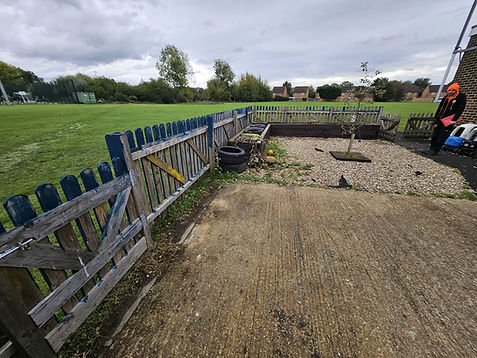

Area 2 had a concrete surface with a pebbled section that created immediate accessibility problems for wheelchair users and lacked the stimulating environment essential for SEND children.
AREA 2
DESIGN STAGE
Our approach centred on working with Samuel Cody School to come up with a design that worked for their space and their pupils. Rather than imposing a standardised solution, the team engaged in consultation to understand the specific needs, behaviours and objectives of the school.
The resulting vision transformed both areas into fully inclusive, accessible spaces providing multi-sensory stimulation suitable for children across varying ages and abilities.
The Process
DESIGN INSIGHT
Effective SEND playground design requires moving beyond compliance checklists to genuinely understand each school's unique student population and educational objectives. One-size-fits-all approaches fail because every setting presents different needs, triggers and learning goals.
SITE VISIT & INITIAL MEETING
BRAINSTORMING & DESIGN
QUOTATION PACKAGE SENT
REVIEW & CONSULTATION
DESIGN STAGE
Design Principles

Physical Play Opportunities
Equipment promoting active movement, climbing, and exploration supports gross motor development and provides outlets for physical energy essential for children with ADHD and sensory processing needs.

Vestibular & Proprioceptive Stimulation
Activities involving swinging, spinning and bouncing provide crucial sensory input that supports body awareness, balance, and coordination development for children with varied learning needs.

Quiet Zones
Designated spaces for calming and regulation helps children with SEND manage sensory overload and regulate emotions, supporing their ability to re-engage with active play when ready.

Year Round Accessibilty
Level surfacing and wheelchair-accessible pathways ensure every child can participate fully, regardless of mobility needs or weather conditions, eliminating seasonal exclusion of the areas originally.
DESIGN STAGE
Featured Products


Area 1

Spinner Bowl
Provides controlled rotational movement at ground level, delivering both vestibular and proprioceptive input essential for children with sensory processing needs. The enclosed bowl shape offers a sense of security while the spinning motion helps with body awareness, balance, and self-regulation.


Area 2
OUTCOME
Results & Impact
The design deliberately addresses the sensory systems—visual stimulation through coloured totems, auditory input via musical instruments, tactile exploration through varied textures, vestibular development through swinging and spinning, and proprioceptive feedback through bouncing and climbing.
Multi-Sensory Engagement
Equipment offers graduated difficulty, allowing children to engage at their individual capability level while providing opportunities for skill development and risk-taking within safe parameters.
Flexible Challenge Levels
Designated quiet areas with pergola shelters provide essential retreat spaces where children can decompress when experiencing sensory overload, supporting self-regulation skills critical for students with ASD and ADHD.
Regulation Spaces


bottom of page